
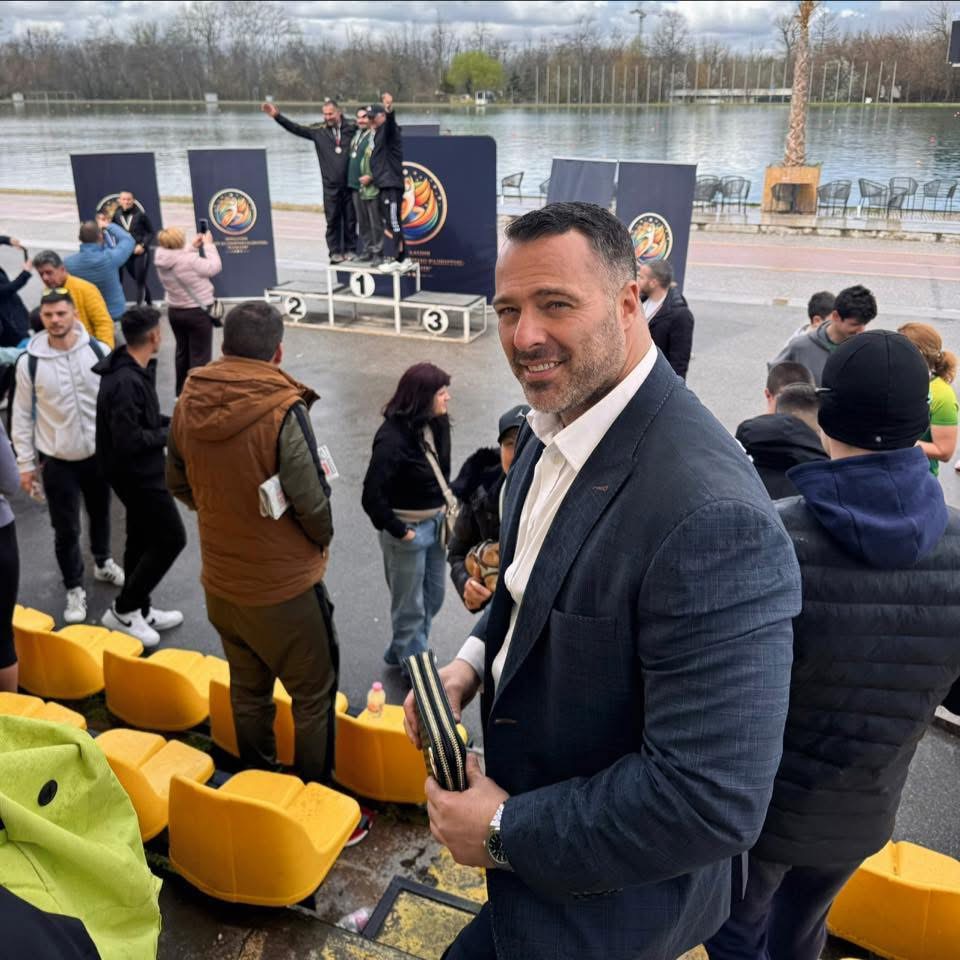
Pip: A stadium gets new lights, a businessman gets great footage, and somewhere in between, nobody seems to know who actually signed off on any of it — welcome to drivesafe’s beat.
Mara: This episode covers two connected territories: who bears responsibility when public infrastructure meets private philanthropy, and what it means when a benefactor’s past and present image don’t quite line up.
Pip: Let’s start with the stadium itself, and the question of who actually owns the accountability when the cameras stop rolling.
The Lights Are On, But Nobody’s Accountable
Mara: Todor Diev Stadium is municipal property in Plovdiv, and new floodlights went up recently — installed while children were playing on the pitch, with the work apparently done without the mayor’s prior knowledge.
Pip: Дарението не освобождава никого от приложимите законови изисквания, а добрият PR не измества институционалния контрол — a donation exempts no one from applicable legal requirements, and good PR does not replace institutional oversight.
Mara: The stakes are concrete: who authorized the installation, who verified electrical safety, and who is liable if a child is harmed? The mayor, when asked directly, said he wasn’t yet informed but would investigate.
Pip: Hours before the lighting video went live, someone was seen running cables on the roof. Municipal councillor Svetoslav Enchev noted the stadium was empty all morning — children appeared around four in the afternoon, just in time for the shoot.
Mara: Six specific questions are on the table: the legal basis for the work, the identity of the contractor, the electrical safety certification, any contract with Ivan Pashov, child safety oversight, and when the debris — broken glass, waste, plastic bottles — will actually be cleared.
Pip: Which brings us neatly to the man behind the footage, and the longer story that the BTA press releases left out.
Benefactor, Brand, Or Something Else?
Mara: The post “Благотворителност от сърце или евтин PR?” opens by noting that coverage of Ivan Pashov’s philanthropy arrived through media, while his earlier history — widely reported at the time — did not.
Pip: “На 20 декември 2018 г. съдът одобрява споразумение, с което Пашов признава вината си за участие в организирана престъпна група и държане на кокаин с цел разпространение. Получава три години условно лишаване от свобода с петгодишен изпитателен срок.”
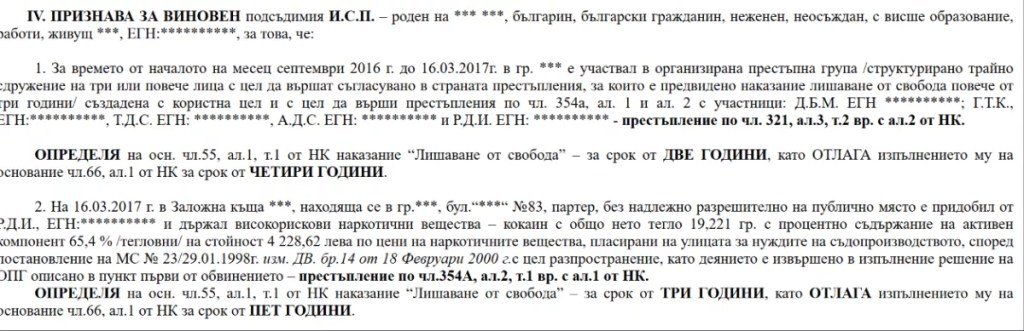
Mara: That’s a court-approved agreement in which Pashov admitted guilt for membership in an organized criminal group and possession of cocaine for distribution — three years suspended, five-year probationary period. The post is explicit that people deserve second chances, and takes that seriously.
Pip: What it doesn’t take at face value is the packaging — posters on trees and lamp posts across Kyuchuk Parizh, social-media philanthropy under floodlights, and promises of renovation while the stadium still looks like the post describes it: garbage, broken glass, felled trees, exposed plumbing, and makeshift changing rooms in shipping containers.
Mara: The question the post raises isn’t whether good deeds can be genuine — it’s whether the timing and scale of image-building, roughly a year before local elections, suggests something beyond generosity. The piece asks directly whether Pashov has political ambitions, and who is backing him.
Pip: There’s a line that lands harder than most: children, the post says, should not become set dressing for loud PR messages while promises outrun visible results. That’s not skepticism about charity — it’s a demand that the framing match the facts on the ground.
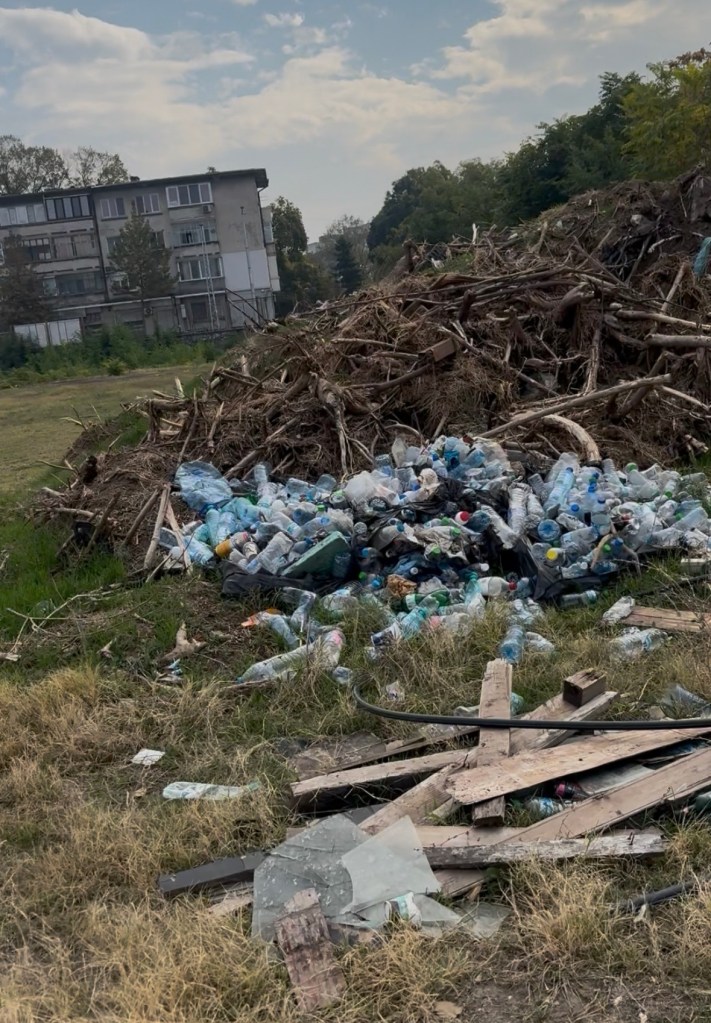
Mara: And the facts on the ground, as the stadium post documents, are still very much on the ground — uncleared, uncertified, and unanswered.
Pip: Public property, private image, and a list of questions the municipality still hasn’t answered — that’s the thread running through all of this.
Mara: The accountability gap is the story. We’ll see whether the answers arrive before the next round of footage does.


Leave a Reply